

Bahamas Tourism Minister Glenys Hanna-Martin led a delegation to Kingston to learn how Jamaica links tourism with farmers, small businesses and communities.
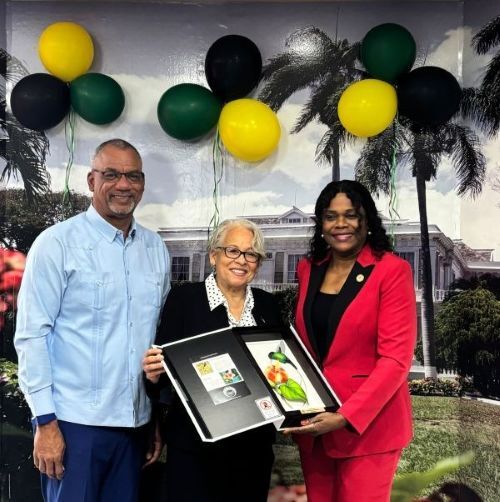
KINGSTON, Jamaica — Jamaica has shared its Tourism 3.0 growth agenda with a visiting delegation of Bahamian tourism officials, highlighting how the industry can build stronger connections with local businesses, farmers, entrepreneurs and communities, according to a Ministry of Tourism news release.
The discussions took place during a recent courtesy call at the Ministry of Tourism in Kingston. Permanent Secretary Jennifer Griffith hosted the session on behalf of Tourism Minister Edmund Bartlett, as part of an exchange on each country’s tourism governance, programs and development priorities.
Key facts
- What: A knowledge-sharing session on Jamaica’s Tourism 3.0 growth agenda
- Where: Ministry of Tourism, Kingston, Jamaica
- Host: Permanent Secretary Jennifer Griffith, on behalf of Tourism Minister Edmund Bartlett
- Bahamian delegation: Tourism Minister Glenys Hanna-Martin, Economic Affairs Minister Jerome K. Fitzgerald and senior representatives of the country’s tourism and investment institutions
- Topics: Tourism linkages, the Agri-Linkages Exchange, the Local First Policy and support for tourism workers
What Tourism 3.0 Means for Jamaica
Jamaica’s presentation centered on Tourism 3.0, which aims to move beyond traditional measures of tourism success. It places greater emphasis on shared prosperity, local economic participation and keeping more tourism-generated value within the Jamaican economy.
Griffith said achieving this requires deliberate coordination across sectors and institutions, so opportunities created by tourism extend beyond hotels and attractions.
“Tourism has the capacity to create value across virtually every area of our economy. Our responsibility is to ensure that Jamaican businesses, farmers, manufacturers, creatives and communities are better connected to the opportunities the industry generates. This requires more than goodwill; it requires structured partnerships, access to markets, appropriate standards and the institutional support necessary to help local enterprises participate and grow,” she said.
Linking Farmers and Small Businesses to Tourism
Jamaica highlighted the work of the Tourism Linkages Network, housed within the Tourism Enhancement Fund. The network connects tourism with other sectors, including agriculture, gastronomy, sports and entertainment, shopping and attractions, and health and wellness.
Among the initiatives discussed was the Agri-Linkages Exchange (ALEX). The digital platform connects farmers directly with purchasing managers in the tourism sector, helping match agricultural supply with industry demand.
The delegation also learned about the ministry’s developing Local First Policy. It aims to expand opportunities for Jamaican businesses within the tourism value chain.
Supporting efforts include training for small and emerging tourism enterprises and partnerships with financial institutions. The ministry is also working with the Rural Agricultural Development Authority and the Bureau of Standards Jamaica. Together, they aim to improve the quality, certification and market readiness of local products.
Caribbean Tourism Cooperation
Griffith said the exchange reflected the importance of regional cooperation in building a more inclusive and economically connected Caribbean tourism industry.
“Tourism 3.0 calls on us to think differently about the value of tourism and who benefits from its growth. When our hotels purchase from Jamaican farmers, when our visitors engage local creatives and entrepreneurs, and when communities are supported in developing their own tourism experiences, the benefits of the industry reach much further. Strengthening these connections is central to ensuring that tourism grows Jamaica, and not simply as a destination, but as an economy,” she said.
The meeting also covered programs for tourism workers and future industry professionals. These include the Tourism Workers Pension Scheme, housing support and Tourism Action Clubs, which introduce students to the range of careers available in the sector.
See also: Tourism 3.0 to Guide Reimagining of Jamaica’s Tourism Industry

