
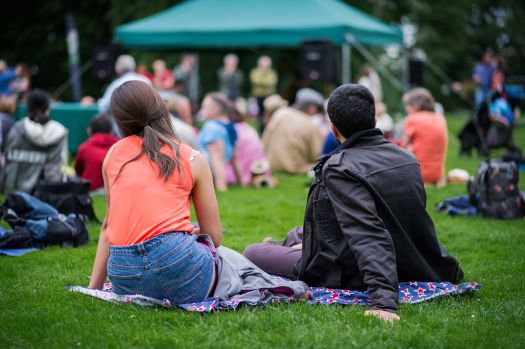
Community events bring people together to partake in happiness, tradition, and sentiments of membership. Big events or small block parties don’t simply occur; events must be delicately planned to take place. Well-defined objectives, pooled resources, and group effort combine to get events underway. Smarts planning also serves to reduce stress among planners and enrich experiences among event-takers. When schedules, security, and resources are in line, communities can plan ahead of time around connection and joy rather than last-minute problems.
Historical Note: Festivals also depended upon planning. Games and feasts in ancient Rome were planned months ahead of time. Leaders orchestrated food provision, entertainment, and crowd management to keep people in order and to keep them entertained. If left without planning, such events could quickly devolve into anarchy. The success of such events illustrated the merits of planning, creating a blueprint of how societies at different times manage celebrations. The approach is much the same now: planning carefully helps societies celebrate tradition while creating positive communal activity.
Building Clear Goals
Every celebration begins with a purpose, and setting clear goals helps guide every decision. Organizers should first ask what the event is meant to achieve—whether it is honoring tradition, raising funds, or simply bringing neighbors together. Clear goals make it easier to plan activities, choose venues, and set budgets. When everyone understands the vision, volunteers, sponsors, and participants work more smoothly together. Goals also give the community a shared focus, making the celebration more meaningful and unified.
- Goals define the purpose and direction of the celebration
- Shared vision strengthens teamwork among organizers
- Clear objectives guide budget and activity planning
When goals are carefully set, the entire event feels more intentional and successful. For example, a festival centered on cultural heritage can highlight traditional music, foods, and performances, ensuring the celebration stays true to its roots. A fundraiser goal, on the other hand, shapes activities toward raising donations while still creating a fun environment. By having goals written and shared early, communities save time and prevent confusion later. This approach makes every step of planning more effective and enjoyable.
Organizing Resources Well
- Secure funding through sponsors or donations
- Assign volunteers with clear roles and duties
- Gather supplies and equipment ahead of time
- Partner with local businesses for support
Observation: A small town once planned a summer fair without organizing resources early. They ran short on chairs, sound equipment, and food vendors. Despite good intentions, the event felt rushed and unprepared. The following year, they created a clear resource plan, and the difference was noticeable—smooth operations and happy participants.
Organizing resources well makes celebrations easier to manage and more enjoyable for everyone. When supplies, volunteers, and funding are ready in advance, the event runs smoothly from start to finish. Clear planning avoids last-minute shortages and keeps the focus on fun and community spirit. Communities that prepare resources ahead of time build trust with participants and create lasting positive memories.
Involving Local Voices
Community celebrations grow stronger when local voices are part of the planning process. Listening to residents, businesses, and community groups ensures the event reflects what people truly want. Surveys, open meetings, or online feedback forms can give organizers insight into preferred activities, food options, and cultural highlights. Local businesses may also provide sponsorships or in-kind support, while community groups can bring performers or volunteers. Storage and logistics partners such as NSA Storage can even support by helping organizers keep supplies safe and accessible. When people feel included, they are more likely to participate and promote the event, creating a stronger sense of unity. Planning becomes less about a single team and more about the entire community coming together to build something meaningful.
Research: Studies in community engagement show that events with high local participation see up to 40 percent more attendance than those planned without input. Reports also highlight that people are more likely to volunteer and donate when they feel their voices have been heard in the planning process.
Managing Time and Tasks
Different approaches to time and task management can make or break a celebration. Detailed schedules with specific deadlines provide structure and accountability, but they may feel rigid if unexpected challenges arise. Flexible timelines give breathing room for adjustments but risk leaving tasks incomplete. Centralized task lists keep everyone aligned, yet they require consistent updates to stay effective. Decentralized planning allows teams to handle parts of the event independently, but it can create confusion if communication breaks down.
Case study: A midsized city festival once used a decentralized model, allowing teams to handle entertainment, food, and logistics separately. While it gave freedom, miscommunication led to overlaps in scheduling. The following year, they adopted a centralized digital task board, improving coordination and cutting last-minute issues in half.
The right approach blends structure with flexibility. Clear roles, regular updates, and realistic deadlines create efficiency while leaving room to adjust when needed.
Preparing for Challenges
One of the town committees described how planning ahead averted disaster at a festival. In the past, torrential rain had wrecked performances that would happen outdoors, disappointing visitors. The group learned from that disaster and devised a contingency plan of tents under cover, indoor centers, and additional volunteers who could quickly adjust. When it poured down rain again, the event went smoothly without interruptions, and individuals appreciated what was put into organizing it. When such plans are freely revealed to individuals in a community, organizers build credibility and evidence that effort went into planning them.
Over 55% of successful community events also report having weather, safety, or supply contingency plans.
Experts also verify that good planning involves not only planning out a schedule of events, but planning what could possibly go wrong. Organizers’ feedback emphasizes that contingency planning reduces stress, while improving confidence. A local businessman illustrated that they felt more at ease to support the event after noticing how carefully risks had been included in consideration. Such confidence improves relationships among organizers, companies, and participants. If communities are transparent about planning against adversities, then they show care and responsibility, securing events that are safe and sound.
Final Thoughts
Why smart planning strengthens community celebrations is clear—it creates safety, builds trust, and makes events enjoyable for everyone. Communities that prepare together see higher attendance, smoother operations, and more lasting memories. Strong planning helps organizers respond to challenges without losing the joy of the celebration. With preparation, celebrations become more than events—they become traditions that strengthen the bonds of community.


