
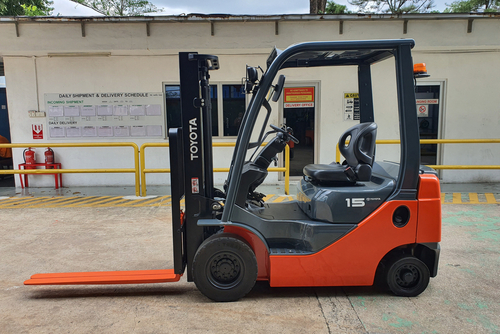
In the fast-paced world of logistics, manufacturing, and warehousing, reliable equipment is essential. This is especially true across the Americas and the Caribbean, where varying climates and operational demands put extra pressure on forklift fleets. No matter the location—whether it’s a port warehouse in the Dominican Republic or a distribution center in the Midwest—proper forklift maintenance is critical to keeping your operation running smoothly and safely.
Why Regular Maintenance Matters
Forklifts are built for tough work, but even the most rugged machines require consistent care. Routine maintenance prevents costly breakdowns, improves efficiency, and ensures compliance with local safety regulations. In regions like the Caribbean, where humidity and salt air can accelerate corrosion, regular inspections and upkeep become even more vital. Across the Americas, from Canada to Argentina, businesses that prioritize maintenance are better positioned to avoid unexpected downtime.
The Value of Preventive Maintenance
Rather than waiting for a breakdown, preventive maintenance addresses wear and tear before it escalates into major problems. This includes checking fluid levels, inspecting brakes, tightening hydraulic lines, and keeping electrical systems in top condition. In warmer climates, battery maintenance for electric forklifts also becomes especially important, as high temperatures can affect battery life and performance. A solid preventive strategy ensures your fleet stays reliable in any environment.
Choosing the Right Replacement Parts
Using quality replacement parts is just as important as performing the maintenance itself. While OEM parts are common, many businesses across the Americas rely on aftermarket forklift parts for their affordability and performance. These parts often meet or exceed factory specifications and are widely available throughout North and South America, as well as the Caribbean. Whether you’re sourcing filters, brake components, or hydraulic seals, aftermarket options can help reduce costs without sacrificing reliability.
Key Areas to Monitor
Some parts of a forklift require more frequent attention than others. Tires wear down quickly, especially in outdoor or rough terrain environments. Lift chains and mast components must remain lubricated and properly aligned to prevent strain on the lifting system. Hydraulic leaks should be identified and repaired immediately, and batteries must be charged and maintained regularly—especially in humid coastal regions.
Working with Certified Technicians
While daily checks by operators are essential, it’s also important to have trained technicians inspect and service your forklifts on a regular basis. Across the Caribbean and the Americas, partnering with local experts ensures your machines meet regional regulations and environmental challenges. Certified technicians can also spot hard-to-detect issues that might be missed during routine checks.
Final Thoughts
Whether you operate in a tropical climate, a high-altitude warehouse, or a busy shipping port, the fundamentals of forklift maintenance remain the same: stay proactive, use high-quality parts, and don’t cut corners. With a strong maintenance plan and the support of trusted aftermarket forklift parts suppliers, businesses across the Americas and the Caribbean can keep their operations safe, efficient, and productive.