
An organization is either growing or dying, there is no in between. In business success is fragile and short lived
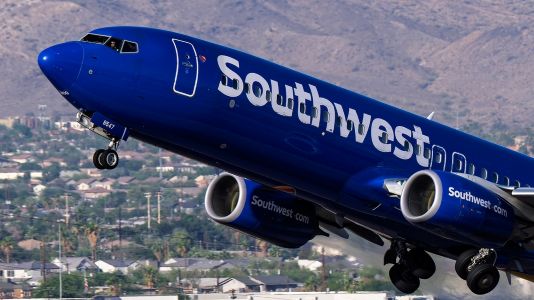
SOUTH FLORIDA – How did Southwest Airlines become the very thing they despised? Southwest airlines is one of my favourite airlines flying out of Montego Bay into Orlando, Florida. Southwest Airlines was once a pioneer in the airline industry. Known for its low-cost fares, customer-friendly approach, free checked bags, opened seat policies (You could sit anywhere you want) and a quick turned around time. These qualities gave Southwest airlines its competitive advantage and setting it apart from its competitors. Southwest Airlines was so successful it had become the paragon of success, 47 consecutive years of profitability is unprecedented in an industry where success is fragile and short-lived.
If An Organization is Standing Still in the Face of Competition and Change that Organization is dying slowly
The Shift in the Airline Industry
The rise of ultra-low-cost carriers, such as Spirit Airlines and Frontier, transformed the industry. These airlines introduced new revenue streams by charging for carry-ons, checked bags, and even beverages. Legacy carriers quickly followed suit. Southwest, caught between the two forces, failed to respond decisively.
Compounding the problem was the airline’s outdated computer infrastructure. Despite being one of the largest carriers in the world, Southwest’s systems were ill-prepared for operational challenges. In December 2022, a snowstorm disrupted its hubs in Denver and Chicago. The airline’s antiquated technology failed for 10 days, cancelling nearly 17,000 flights and stranding over two million passengers during the busy holiday season. The meltdown cost the company more than $1 billion in lost revenue and led to $140 million in fines.
Suddenly, the airline that had once mocked legacy carriers in its advertisements found itself adopting the very practices it had once despised: assigned seating and fees for checked bags.
The Consequences of Standing Still
Southwest’s story highlights what happens when organizations fail to adapt:
- Stagnation: Organizations that resist change plateau. Growth is intentional, not accidental, and without it, stagnation leads to decline.
- Missed Opportunities: Kodak invented the digital camera but feared it would cannibalize its film business. By failing to embrace change, the company missed opportunities to lead in a new market.
- Financial Decline: Companies like Nokia and Blackberry lost market share to more innovative competitors. Without steady growth, revenue declines, and long-term sustainability becomes uncertain.
- Irrelevance: Businesses that fail to evolve risk becoming obsolete. Remaining attached to past successes can prevent companies from meeting the demands of today’s rapidly changing markets.
Embracing Growth and Change
To avoid stagnation, organizations must embrace growth and innovation:
- Open Doors to Opportunity: Leaders must remain curious and open to new possibilities, seeking opportunities beyond past successes.
- Innovation Requires Courage: From Spirit Airlines’ ultra-low-cost model to Uber’s disruptive ridesharing approach, innovation demands creativity and the willingness to challenge the status quo.
- Sustaining Long-Term Success: Continuous improvement and adaptability are essential for longevity. Standing still leads to obsolescence, while growth ensures resilience and relevance.
Final Thoughts
Remaining unchanged guarantees that tomorrow will look much like today or worse. Southwest Airlines reminds us that even the most successful organizations are not immune to decline when they stop evolving.
For both businesses and individuals, the lesson is clear: avoid stagnation, embrace change, and continuously pursue growth. Otherwise, success no matter how celebrated can quietly erode.

