
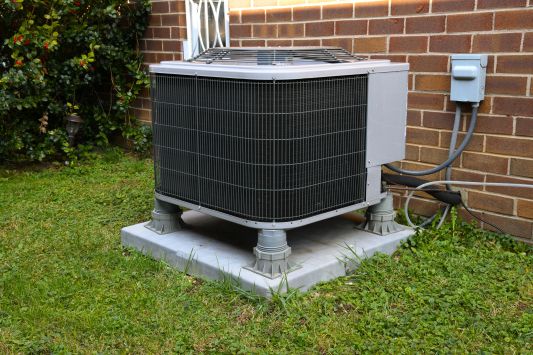
MARYLAND – Your air conditioner is one of the most important systems in your home, especially during the hot and humid summer months. When it works properly, it keeps your indoor environment cool, comfortable, and safe. But when problems begin, they are not always obvious right away. Many homeowners ignore small warning signs until the system breaks down completely, often leading to expensive repairs, uncomfortable indoor temperatures, and unnecessary stress.
Recognizing early signs of trouble can help you act before a minor issue becomes a major problem. Professional HVAC companies such as Grove Heating and Cooling often recommend paying close attention to changes in cooling performance, airflow, noises, energy bills, and moisture around the system. If your air conditioner is showing any unusual behavior, scheduling prompt service can protect your comfort, improve efficiency, and extend the life of your cooling equipment.
1. Warm Air Is Coming from the Vents
One of the clearest signs that your air conditioner needs immediate repair is warm air blowing from the vents. When your thermostat is set to cool, your AC should deliver consistently cool air throughout your home. If the air feels warm or only slightly cool, something is preventing the system from operating correctly.
This issue may be caused by low refrigerant, a malfunctioning compressor, dirty coils, restricted airflow, or a thermostat problem. In some cases, the solution may be simple. In others, the system may require professional diagnostics to identify the root cause.
Ignoring warm air can make the problem worse. Your AC may continue running longer than necessary, increasing energy usage while failing to cool your home. If you notice warm air from your vents, turn the system off if it is struggling and contact an HVAC technician.
2. Weak or Limited Airflow
Weak airflow is another common warning sign of AC trouble. Even if the air coming from your vents is cool, it will not properly condition your home if airflow is too weak.
Poor airflow may result from a clogged air filter, blocked ducts, blower motor problems, dirty evaporator coils, or leaky ductwork. When airflow is restricted, your system must work harder to move air through the home. This added strain can reduce efficiency and cause parts to wear out faster.
You may notice weak airflow in one room, several rooms, or throughout the entire house. If the issue is isolated to one area, ductwork or vent blockage may be involved. If every room is affected, the problem may be inside the air handler or main system components.
3. Strange Noises During Operation
Air conditioners are designed to run with a steady, relatively quiet sound. While some humming or airflow noise is normal, loud or unusual sounds should never be ignored.
Common warning noises include:
- Grinding
- Banging
- Screeching
- Rattling
- Buzzing
- Clicking
- Hissing
Each sound may point to a different problem. Grinding can indicate motor trouble, rattling may suggest loose parts, hissing can point to a refrigerant leak, and buzzing may signal electrical issues.
If your AC suddenly becomes noisy, it is best to schedule service right away. Continuing to run the system may cause further damage, especially if a loose or failing part is involved.
4. Unpleasant Odors from the System
Bad smells coming from your air conditioning system are more than just unpleasant. They can indicate mechanical, electrical, or indoor air quality problems.
A musty odor may suggest mold or mildew growth inside the system or ductwork. This can happen when moisture collects in the unit or drain system. A burning smell may indicate overheating parts, damaged wiring, or electrical failure. Chemical-like odors may suggest refrigerant issues.
Any burning or electrical odor should be treated as urgent. Turn off the system and contact a professional. Even musty smells should be addressed quickly because they may affect indoor air quality and spread contaminants throughout your home.
5. Frequent Cycling On and Off
Your air conditioner should run in regular cooling cycles. It turns on, cools the home to the thermostat setting, and then shuts off. If your system turns on and off too frequently, this is known as short cycling.
Short cycling can be caused by:
- A dirty air filter
- Thermostat problems
- Low refrigerant
- Frozen coils
- Oversized equipment
- Electrical issues
- Compressor trouble
Frequent cycling puts extra stress on the system and can lead to premature wear. It also makes your home less comfortable because the unit may not run long enough to remove humidity from the air.
If your AC is cycling constantly, professional repair is recommended. The cause should be identified before more serious damage occurs.
6. Rising Energy Bills
A sudden increase in your energy bills can be a sign that your air conditioner is working harder than it should. While utility costs may rise during peak summer months, a noticeable jump without a change in usage often points to system inefficiency.
Your AC may be using extra energy because of dirty coils, clogged filters, low refrigerant, duct leaks, failing motors, or aging components. The system may run longer to achieve the same temperature, wasting electricity and increasing monthly costs.
Many homeowners overlook energy bills as an AC warning sign, but they can reveal hidden problems. If your cooling costs are climbing and your comfort is not improving, it is time to have the system inspected.
7. Excess Moisture or Water Leaks
Air conditioners naturally remove moisture from indoor air, but that moisture should drain safely through the condensate system. If you see water pooling around the indoor unit, dripping from the system, or signs of moisture damage nearby, your AC needs attention.
Possible causes include a clogged condensate drain line, frozen evaporator coils, a damaged drain pan, or improper installation. While some water problems may seem minor at first, they can lead to mold growth, ceiling damage, flooring damage, and system shutdowns.
Leaks should be addressed quickly, especially if water is near electrical components. A technician can clear the drain, inspect the coils, and confirm that moisture is being removed properly.
8. Ice on the AC Unit
Ice buildup on your air conditioner is never normal, even during extremely hot weather. If you see ice on the refrigerant lines, evaporator coil, or outdoor unit, the system is not operating correctly.
Ice can form when airflow is restricted or refrigerant levels are low. Dirty filters, blocked vents, blower motor problems, and refrigerant leaks are common causes. Once ice forms, the system’s cooling ability drops significantly.
If you notice ice, turn the AC off and allow it to thaw. Do not try to chip away the ice, as this can damage the equipment. After the system thaws, call an HVAC technician to determine why the ice formed.
9. Your Home Feels Humid or Uncomfortable
A properly working air conditioner does more than lower the temperature. It also helps remove humidity from your indoor air. If your home feels sticky, damp, or uncomfortable even when the AC is running, the system may not be performing correctly.
High indoor humidity may be caused by short cycling, dirty coils, poor airflow, refrigerant problems, or an improperly sized system. Excess humidity can make your home feel warmer than it actually is, causing you to lower the thermostat and use more energy.
Humidity problems can also contribute to mold growth, musty odors, and poor indoor air quality. If your AC is no longer keeping your home comfortable, it is time to schedule a professional inspection.
10. The System Will Not Turn On
If your air conditioner will not turn on at all, it is clearly time for immediate attention. Before calling for service, you can check a few basic items. Make sure the thermostat is set to cool, the temperature is set below the current room temperature, and the batteries are working if your thermostat uses them. You can also check your electrical panel for a tripped breaker.
However, if the system still will not start, or if the breaker trips repeatedly, do not keep trying to force it to run. The problem may involve electrical components, a failed capacitor, a damaged motor, a compressor issue, or wiring trouble.
Repeatedly resetting breakers can be unsafe. A professional technician should inspect the system and make the necessary repairs.
Why Immediate AC Repair Matters
Delaying AC repair often makes problems more expensive. Small issues can place extra strain on other parts of the system, leading to larger failures over time. For example, a dirty filter can cause frozen coils, low airflow can damage motors, and refrigerant issues can eventually affect the compressor.
Prompt repair helps protect your system from unnecessary wear. It also improves comfort, lowers energy waste, and reduces the risk of a complete breakdown during extreme heat.
Immediate repair is especially important if your household includes children, seniors, pets, or anyone with health concerns. High indoor temperatures can become uncomfortable and unsafe quickly during summer.
When to Call a Professional
Some simple maintenance tasks, such as replacing air filters or clearing debris from around the outdoor unit, can be handled by homeowners. However, most AC repair issues should be diagnosed by a trained HVAC technician.
You should call a professional if you notice warm air, weak airflow, strange sounds, burning smells, water leaks, ice buildup, frequent cycling, or repeated breaker trips. You should also schedule service if your AC simply does not feel as effective as it used to.
Professional technicians have the tools and training to identify problems safely and accurately. They can test electrical components, check refrigerant levels, inspect motors, clean internal parts, and recommend the right repair.
How to Prevent Future AC Problems
While not every breakdown can be prevented, regular maintenance greatly reduces the risk of unexpected AC failure. Homeowners should replace air filters regularly, keep vents open and clear, remove debris around the outdoor unit, and schedule seasonal maintenance before the hottest months arrive.
During a maintenance visit, technicians can inspect the system, clean key components, test performance, and catch small problems early. Preventive care can extend the life of your air conditioner and help it operate more efficiently.
It is also important to pay attention to changes in system performance. If your AC starts acting differently, do not wait until it stops working completely. Early action is usually less expensive and less stressful.
Final Thoughts
Your air conditioner usually gives warning signs before it fails completely. Warm air, weak airflow, strange noises, unpleasant odors, water leaks, ice buildup, frequent cycling, rising energy bills, humidity problems, and startup failures all indicate that your system may need immediate repair.
By recognizing these signs early, homeowners can avoid major breakdowns, protect their comfort, and reduce long-term repair costs. A reliable cooling system is essential during hot weather, and timely professional service can keep your home safe, efficient, and comfortable.
If your air conditioner is showing any of these warning signs, do not ignore them. Scheduling prompt repair can help restore performance and prevent a small problem from becoming a costly emergency.