
You came for sunshine and beach days — not fender benders and insurance calls. But with crowded roads, unpredictable weather, and unfamiliar driving laws, accidents in Florida happen more often than you’d think.
No one plans to spend their trip dealing with tow trucks or hospital bills. Yet for many visitors, one wrong turn or distracted driver can quickly turn a vacation into a stressful legal situation.
Here’s what every traveler should know to stay safe, understand their rights, and handle a car accident in Florida — just in case the unexpected happens.
Why Car Accidents Happen So Often in Florida
Florida’s roads may look like a dream, but they come with real risks — especially if you’re just visiting. With over 380,759 crashes a year according to FLHSMV, it’s one of the most accident-prone states in the country.
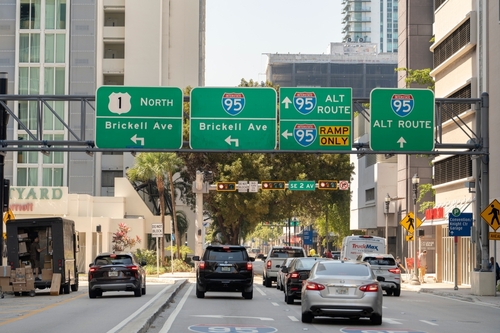
Why? It starts with tourism traffic. Spring breakers, cruise passengers, and snowbirds flood the roads year-round, and many are unfamiliar with local driving rules. Add in packed cities like Miami and Orlando, aggressive drivers, and confusing roads full of tolls and U-turns, and it’s a recipe for trouble.
Then there’s the weather. A sudden rainstorm can turn a sunny drive into a dangerous one in seconds. And like everywhere else, distracted driving and speeding are always in the mix.
Bottom line? Even the best vacations can take a turn. Knowing the risks helps you drive smarter — and safer.
How Fault Is Determined in Florida
Florida uses a no-fault insurance system, which can be confusing if you’re not from around here. After a crash, each driver turns to their own insurance — specifically their Personal Injury Protection (PIP) — to cover medical bills and lost wages, regardless of who caused the accident. PIP coverage is mandatory in Florida and typically covers up to $10,000 in medical expenses, but it doesn’t always go far, especially in more serious crashes.
So when does fault matter? If your injuries are severe — think broken bones, permanent damage, or anything that qualifies under Florida’s injury threshold — you may have the right to sue the at-fault driver for additional compensation, including pain and suffering. In these cases, evidence becomes everything. Police reports, witness statements, dashcam footage, and even photos you snap at the scene can make or break your case.
No fault doesn’t mean no responsibility — it just means the process starts with your own insurance. That’s why it’s crucial to know about how car insurance works in Florida
Liability and Insurance Coverage in Florida (Even If You’re Not From Here)
If you’re visiting Florida, the last thing you’re probably thinking about is how your car insurance works here — until an accident happens. Florida requires every driver to carry at least $10,000 in Personal Injury Protection (PIP), which covers basic medical expenses and lost wages after a crash, no matter who’s at fault. But here’s where it gets tricky for non-residents: your home-state policy may not include PIP, or it might not apply the same way in Florida.
If you’re driving your own car, check if your insurance extends PIP coverage to you while traveling. If you’re in a rental car, you’ll likely rely on a mix of your personal policy and whatever coverage you choose at the rental counter. And if you’re injured while riding in an Uber or Lyft, the rideshare company’s insurance may cover you — but it depends on who was at fault and what stage of the ride you were in.
One more thing: Florida has one of the highest rates of uninsured drivers in the country. That’s why it’s a good idea to carry uninsured/underinsured motorist (UM/UIM) coverage if your policy allows it — it can protect you if the other driver doesn’t have enough (or any) insurance. In a state like Florida, that extra coverage can make a big difference. Additionally, there are some nuances facing accident consequences if you’re a non-state resident.
Special Insurance Considerations for Non-Florida Residents
Getting into a car accident while traveling is stressful enough — but when it happens out of state, the insurance questions can feel endless. Will your home-state insurance cover you here? In many cases, yes — most policies adjust to meet Florida’s minimum requirements while you’re visiting. But that doesn’t guarantee you’ll be fully protected under Florida’s no-fault rules, especially if your state doesn’t have similar coverage.
If a Florida driver caused the crash, you can file a claim or even sue them for serious injuries — even if you’ve already returned home. But be prepared for a few more legal hoops. You may need to deal with Florida courts, and the rules won’t always match what you’re used to.
What if you’re hurt but have to travel home before you recover? That’s common — and it’s one more reason to work with a Florida-based law firm, such as West Palm Beach car accident lawyer. They can handle communication with local insurers and healthcare providers, collect evidence, and make sure your case keeps moving forward while you focus on healing from home. Interstate cases aren’t impossible, but they do require someone who knows how to navigate both the local system and the added complexity of out-of-state claims. Lastly, if you or your loved ones unfortunately get into an accident knowing what the right steps to take after it can significantly impact its consequences.
What to Do If You’re in a Car Accident in Florida
When a vacation takes a sudden turn, staying calm and knowing what to do next can make all the difference — both for your safety and your case. If an accident interrupts your trip, here’s what to do — step by step:
- Call 911 immediately, even if the crash seems minor. A police report is key for insurance and legal claims.
- Get medical attention as soon as possible, even for minor pain. Some injuries aren’t obvious right away.
- Document everything at the scene: Take photos of the vehicles, road conditions, and any visible injuries. Write down what happened while it’s fresh. Exchange contact and insurance details with all drivers involved.
- Ask for the crash report number from the responding officer — you’ll need it for your claim.
- Avoid admitting fault or apologizing. Stick to the facts and let the investigation sort out responsibility.
- Notify your insurance provider as soon as possible to start the claims process.
- Contact a Florida personal injury attorney, especially if you’re injured or unsure about your rights. They can help even after you return home.
For sure it’s better to avoid any accidents in your life and not experience any headaches afterward. That’s why it’s worth keeping in mind some safety tips while driving in such places as Florida.
Tips to Avoid a Crash While Visiting Florida
No one can predict every driver on the road, but a few smart choices can help you stay safe while exploring the Sunshine State. Take your time behind the wheel — unfamiliar roads and fast local drivers are a tough combo, especially around busy cities or tourist areas. Use GPS, but don’t rely on it blindly, and pull over if you need to recheck directions. Be extra cautious during sudden rainstorms, and avoid driving late at night if you’re tired or jet-lagged.
If you’re renting a car, go for one with modern safety features like blind spot alerts and backup cameras. And when in doubt? Let someone else drive — rideshare apps like Uber or Lyft are widely available and often safer after a long day. The goal is simple: enjoy your trip and make it home safely, without a detour to the ER or a call to the insurance company.