CHICAGO – The Obama Presidential Center is set to officially open its doors on Friday, June 19, 2026 in Chicago’s historic Jackson Park. This marks a milestone moment for the city, the South Side, and the nation. The launch coincides with Juneteenth celebrations across the United States.
Spanning 19.3 acres, the Opening Weekend Festival $850 million Obama Presidential Center stands as a global hub dedicated to inspiring, empowering, and connecting people. It aims to motivate people to create positive change in their communities.
Rooted on Chicago’s South Side, the campus reflects the values and experiences that shaped President Barack Obama and former First Lady Michelle Obama. It also invites locals from the area as well as visitors from around the world to engage with the ideas that strengthen democracy and civic participation.
Opening Weekend Festival
The opening will follow an invite-only dedication ceremony on Thursday, June 18 and kicks off a three-day Opening Weekend Festival running through June 21.
The celebration features live performances, food, cultural programming, and community activities designed to welcome visitors of all ages.
“The Obama Presidential Center is a place for people to come together, exchange ideas, and discover their own capacity to make a difference,” The Obama Foundation noted. “Whether visitors are coming from across the street or across the globe, the Center is designed to inspire them to bring change home to their own communities.”
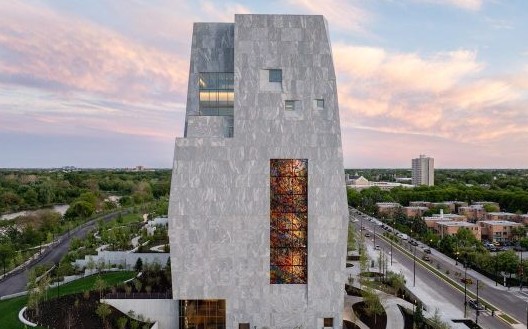
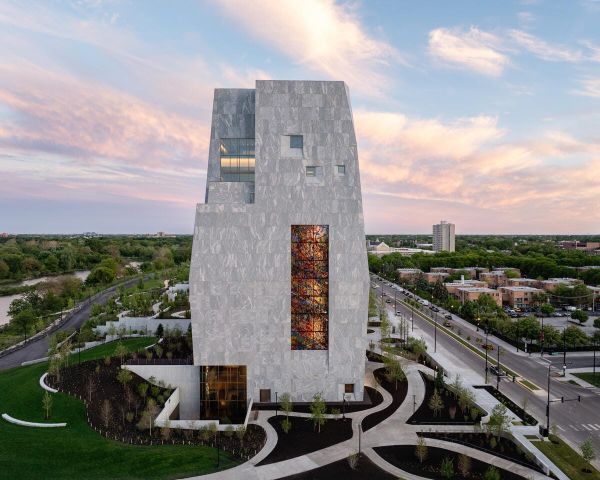
Among the campus’s signature attractions is the Museum. It is a soaring eight-story tower. It features immersive exhibits across four floors. These exhibits chronicle the life, presidency, and lasting impact of Barack Obama. Visitors can also enjoy the building’s top-floor Sky Room observation deck, offering panoramic views of Chicago and Lake Michigan.
Public Art

Art is a also a defining element of the Obama Presidential Center experience, with a collection of 28 commissioned works by 30 artists integrated throughout the campus. Moreover, spanning a range of mediums, perspectives, and generations, the collection reflects the diversity of voices and stories that shape American life.
Importantly, the majority of these works are freely accessible outdoors. This helps expand public art on Chicago’s South Side. It also supports the Center’s goal to make art part of everyday life.
The Center’s community-focused amenities include a branch of the Chicago Public Library, the Home Court athletic facility, and a playground. There are also restored public green spaces intended to serve residents and visitors alike.
While admission to the campus grounds at 6001 S. Stony Island Ave., the central plaza, and the library is FREE, entry to the Museum requires timed-entry tickets. Meanwhile, Illinois residents will have access to free Museum admission every Tuesday.
Visitors are encouraged to use public transportation, as on-site parking is limited. Both Metra and CTA stops are near campus. The Chicago Transit Authority extended its Number 10 bus route. This improves access to the Center.
Chicago’s South Side: Jackson Park
The selection of Jackson Park culminates a process in which President and Mrs. Obama considered 12 potential locations for the Presidential Center. The South Side site, proposed by the University of Chicago, was ultimately chosen for its deep connection to the Obamas’ personal and professional roots. It was designed and built by a team of world-class experts across architecture, engineering, landscape design, and construction. Therefore, the Obama Presidential Center represents years of planning and collaboration.
Organizers say the campus is intended not only as a destination for learning and reflection, but also as a living, active space. Here, future generations can explore leadership, citizenship, and community engagement.
Opening Coincides with Juneteenth
Planning the opening of the Obama Presidential Center to coincide with Juneteenth is significant and symbolic. This should resonate with visitors. Especially those who care about the Center’s mission of civic participation and democratic engagement. They also want to connect that mission to a day that honors freedom and progress. Plus, they see it as part of the ongoing work to build a more inclusive America.